Our Areas of Intervention
Our Programs
Comprehensive initiatives designed to create lasting, sustainable change across multiple dimensions of community development.
Socio - Economic Empowerment
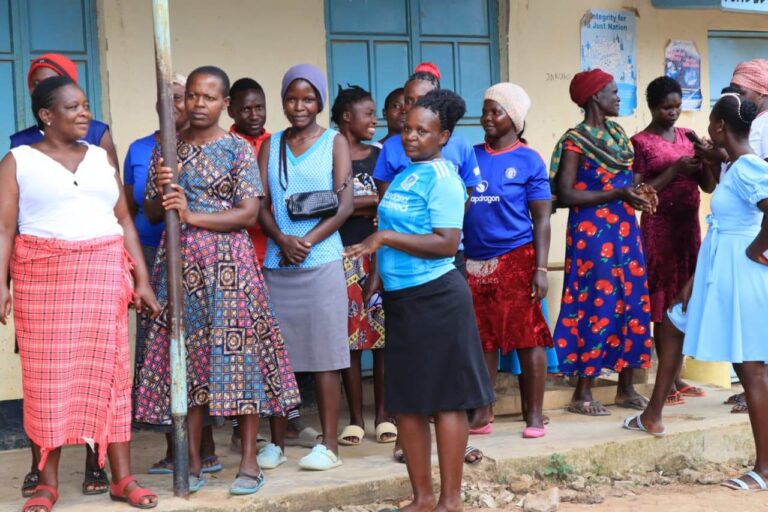
Enhancing economic independence of women and youth groups whose members are not able to easily access formal financial services. The groups are mobilized and sensitized on financial literacy, skills development, market access and linkages to government finance inclusion programmes and Micro Finance Institutions ( MFIs). The purpose is to model table-banking – a concept where members of a group meet frequently to save and borrow immediately from the money collected resulting in increased household income, job creation, boast their income generating livelihood and enable entrepreneurs grow their businesses effectively. Our approach ensures that economic growth is both sustainable and inclusive benefiting not just individuals but also their communities and the environment.



Food security, Environmental Conservation & Climate Change Adaptation
Under food security, we seek to promote sustainable farming practices, food relief during disasters and women and youth involvement in food production. The communities will receive training in smart agriculture, vegetable and fruits gardens and nutrition education. The interventions will increase access to nutritious and affordable food while making the communities food secure.
Under environmental conservation and climate change adaptation, we seek to facilitate awareness and promote youth and women led tree nurseries, planting and growing fruits and indigenous trees in institutions, households and community reserve areas.
Women in rural set-up have been socialized to traditional energy sources that negatively affect their health, well-being and environment. We seek to work with women and girls in awareness and linkages to affordable clean energy for lighting, cooking and production in households and local schools. The communities will receive trainings in tree nurseries, tree growing and planting and renewable energy thus contributing to restore eco-systems, enhance bio-diversity and promote livelihoods.


Education & Mentorship
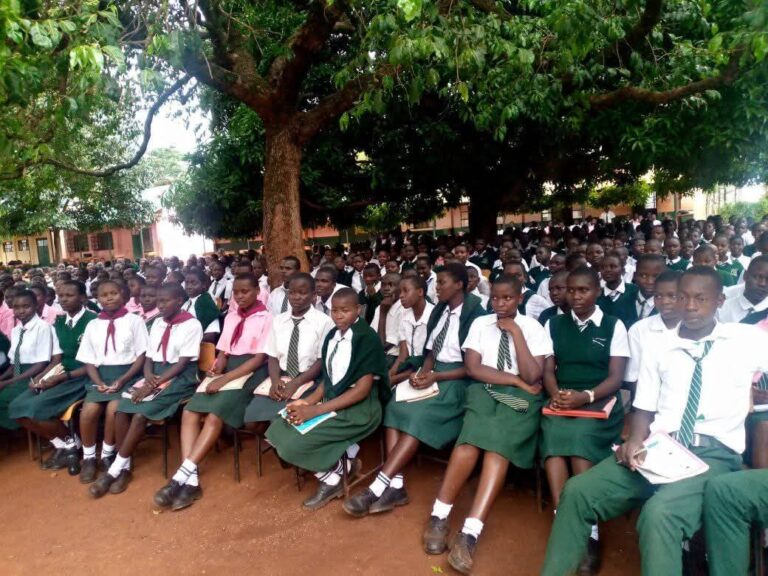
In rural communities’ boys and girls from vulnerable households drop out of school due to poverty. Our focus is to increase school retention and transition rates for boys, girls and young people across basic education level by providing bursaries, mentorship and life skills training. Mentorship for the boys and girls will be through local schools and working with resource persons based on needs for different gender and age groups. Combining these strategies with community engagement helps individual leaners achieve their education goals and break cycles of poverty and inequality. By engaging with local schools and the community, we seek to design interventions that are culturally relevant and effective, leading to higher retention rates and better educational outcomes for adolescent boys , girls and young people.


Health & WASH
We recognize health as a cornerstone of human development, essential for fostering economic and social development. From communicable diseases such as HIV/AIDs and non-communicable diseases such as cancers, diabetes and heart diseases disproportionately affect the female more than male gender. Women and adolescent reproductive health are critical to ensuring quality of life. Our focus is on awareness creation, outreach, referrals and advocacy ensuring that all populations access comprehensive health services without facing financial hardship which aligns with the global goal of achieving Universal Health Coverage (UHC) as outlined in SDG3.
Rural populations face critical water scarcity subjecting women and girls to spent more time and effort in search of water for domestic use. Despite this, the water is usually not clean and safe for use. For young boys and girls, time spent to get water in the seasonal streams consume the time they would have used for learning. This contributes to poor learning outcomes and ultimately dropping out of school. We seek to engage communities and work with women, girls, boys and institutions for interventions such as rain water harvesting, installation of water tank and borehole drilling. We believe the interventions will not only ensure a steady water supply but also empower communities to take charge of their own water security, ultimately improving livelihoods and reducing the risks of waterborne diseases.


